
The goal is for the aviation industry to become a strategic economic sector by 2035, with world-class competitiveness in Southeast Asia and sustained long-term growth.
The key advantage of this breakthrough lies in its cost-effectiveness and compatibility with existing global fuel supply systems, minimising disruption and additional costs to current energy and fuel industries.
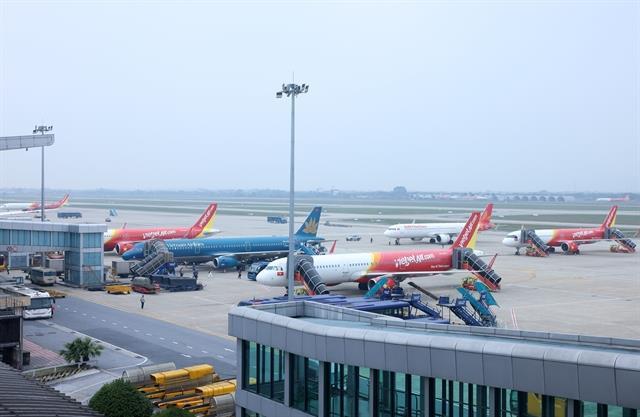
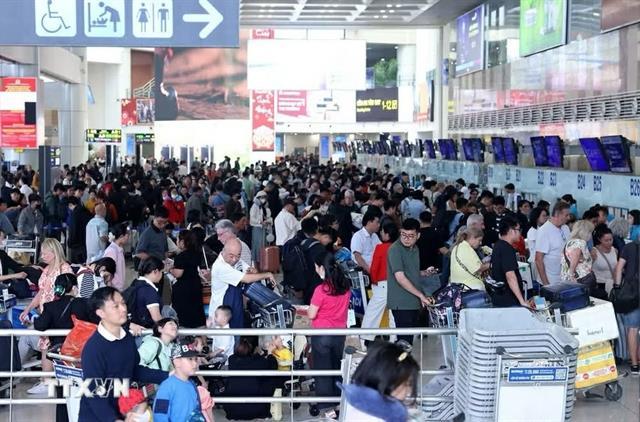
Việt Nam’s aviation industry is recovering strongly from the COVID-19 pandemic’s disruptions with passenger volumes projected to reach a record of 84 million this year, according to the Civil Aviation Authority of Việt Nam (CAAV).
After merging with Bạc Liêu, Cà Mau province has a larger development space. The province has advantages in developing logistics service industries such as Hòn Khoai multi-purpose port, airport, and three expressways connecting with the economic centres of the region...
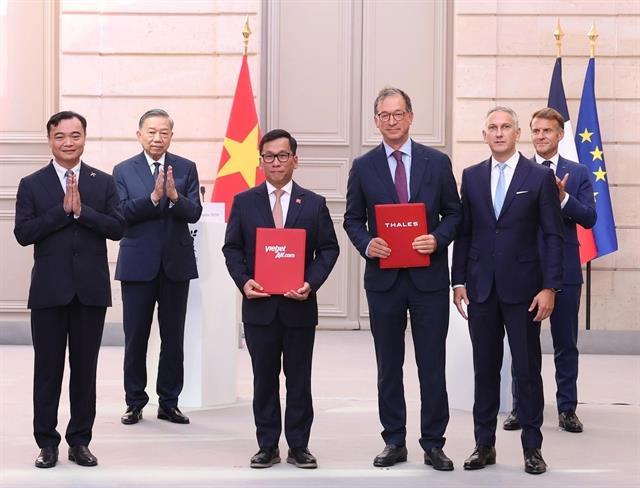
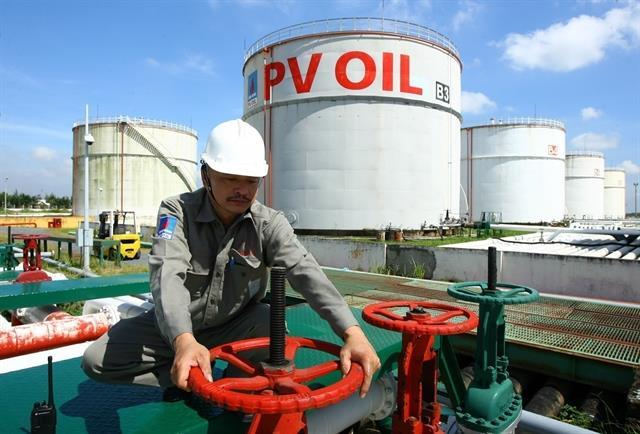
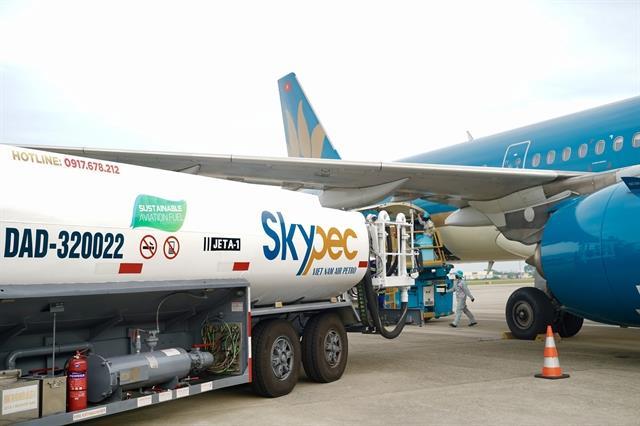
The launch took place in Hà Nội on August 15, at which Petrolimex Aviation also signed SAF offtake agreements with Vietjet and Associated Energy Group, LLC (AEG Fuels).
This move follows the conclusion of Deputy Prime Minister Trần Hồng Hà regarding the European Union’s (EU) sustainable aviation fuel development policy and reflects the country''s commitment to mitigating the aviation industry''s impact on climate change.
Việt Nam registered the highest growth rate among the top 10 markets in the region at 121 per cent, driven by the country’s strong economic performance and growing appeal as a travel destination.
During the April 30 – May 1 holiday, Vietnam Airlines operated over 3,100 flights, serving 500,000 passengers, up 27 per cent year-on-year after adding 350 extra flights on high-demand routes.
According to Boeing’s latest Commercial Market Outlook (CMO), Southeast Asia is the fastest-growing aviation region in the world and Việt Nam is leading the way with an annual growth rate of more than eight per cent—higher than any other country...